
Causes and Effective Treatments for Back of the Knee Pain
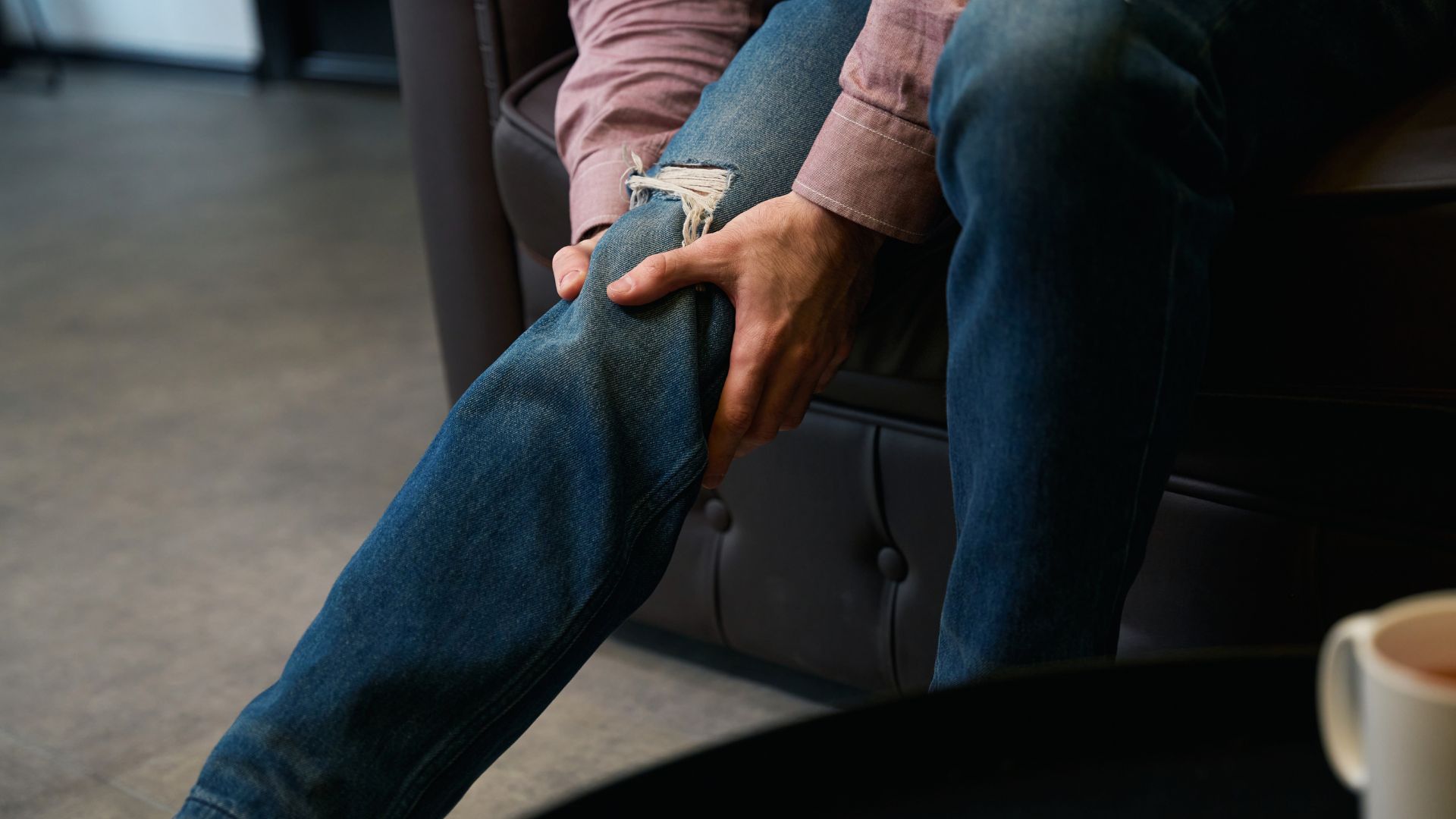
Back of the knee pain, also known as posterior knee pain, can range from mild discomfort to severe, debilitating pain. It is a common issue among individuals of all ages, often resulting from overuse, injuries, or underlying medical conditions. Understanding the root cause is crucial for effective treatment and recovery.
Common Causes of Back of the Knee Pain
There are various reasons why you might experience pain behind your knee. Here are the most common causes:
1. Overuse or Strain:
Repeated movements or excessive strain on the knee can lead to inflammation and pain in the posterior knee region. This is common in athletes or individuals who engage in high-impact activities such as running or jumping.
2. Baker’s Cyst:
A fluid-filled sac that forms behind the knee due to joint inflammation, often caused by arthritis or an injury. Symptoms include swelling, stiffness, and discomfort when bending the knee.
3. Hamstring Tendonitis:
Inflammation of the hamstring tendons due to overuse or sudden strain can result in pain and stiffness at the back of the knee.
4. Ligament Injuries:
Damage to the posterior cruciate ligament (PCL) or other ligaments can cause pain, instability, and difficulty moving the knee.
5. Blood Clots (Deep Vein Thrombosis):
A serious condition where a blood clot forms in the veins behind the knee. This can cause swelling, warmth, and sharp pain. Immediate medical attention is required for DVT.
6. Arthritis:
Both osteoarthritis and rheumatoid arthritis can lead to inflammation and pain in the knee joint, including the back of the knee.
7. Sciatica:
A pinched nerve in the lower back can radiate pain to the back of the knee, often accompanied by tingling or numbness.
Diagnosing Back of the Knee Pain
Accurate diagnosis is essential for effective treatment. A healthcare provider may use the following methods:
- Physical Examination: Assessing the knee’s range of motion, swelling, and tenderness.
- Imaging Tests: X-rays, MRIs, or ultrasounds to identify structural issues or injuries.
- Blood Tests: To rule out infections or conditions like rheumatoid arthritis.
If the pain persists or worsens, seeking professional advice is crucial to prevent further complications.
Treatments for Back of the Knee Pain
The treatment for back of the knee pain depends on the underlying cause. Below are some effective treatments:
1. Rest and Activity Modification:
Avoid activities that exacerbate the pain. Resting the knee gives the affected tissues time to heal.
2. Ice Therapy:
Apply an ice pack to the back of the knee for 15-20 minutes every few hours to reduce inflammation and swelling.
3. Compression and Elevation:
Use a compression bandage to support the knee and elevate your leg to reduce swelling.
4. Physical Therapy:
A physiotherapist can design a personalised exercise program to strengthen the muscles around the knee and improve mobility. Clinics like Melbourne Sports Physiotherapy specialise in tailored treatment plans for knee injuries.
5. Medications:
Over-the-counter pain relievers such as ibuprofen or acetaminophen can help manage pain and inflammation. For severe cases, your doctor may recommend corticosteroid injections.
6. Surgical Intervention:
In cases of significant ligament tears, chronic Baker’s cysts, or arthritis, surgical options like arthroscopy or joint replacement may be considered.
7. Alternative Therapies:
Practices like acupuncture or massage therapy can provide relief for chronic pain. Always consult a professional to ensure these methods are safe for your condition.
Home Remedies and Lifestyle Changes
For mild back of the knee pain, lifestyle adjustments and home remedies can make a significant difference:
1. Stretching and Strengthening Exercises:
Regularly stretch the hamstrings, calves, and quadriceps to improve flexibility and reduce strain on the knee.
2. Maintain a Healthy Weight:
Excess weight places additional stress on the knee joints, leading to pain and inflammation. Adopting a balanced diet and regular exercise can help.
3. Invest in Proper Footwear:
Shoes with adequate support can minimise strain on the knees during daily activities.
4. Use Heat Therapy:
After the acute pain subsides, applying heat to the area can promote blood flow and healing.
5. Incorporate Anti-Inflammatory Foods:
Foods like salmon, turmeric, and leafy greens have natural anti-inflammatory properties that can help reduce joint pain.
Preventing Back of the Knee Pain
Prevention is always better than cure. Here are tips to avoid posterior knee pain:
1. Warm-Up Properly:
Start your workouts with dynamic stretches to prepare your muscles and joints.
2. Strengthen Supporting Muscles:
Build strength in your hamstrings, quadriceps, and calves to stabilise the knee joint.
3. Avoid Overtraining:
Gradually increase the intensity of your workouts to prevent overuse injuries.
4. Take Breaks:
If your job involves prolonged sitting or standing, take short breaks to stretch and move.
5. Listen to Your Body:
Don’t ignore minor aches or discomfort. Addressing them early can prevent more severe issues.
When to Seek Medical Help
While mild back of the knee pain can often be managed at home, certain symptoms warrant immediate medical attention:
- Severe or sharp pain that doesn’t improve with rest
- Swelling or redness around the knee
- Difficulty walking or bearing weight on the leg
- Numbness, tingling, or weakness in the leg
Ignoring these signs can lead to further complications, so it’s important to consult a healthcare professional.
Ready to Take Control of Your Knee Health?
Understanding the causes and treatments for back of the knee pain is the first step toward recovery. Whether it’s modifying your activities, consulting a physiotherapist, or making lifestyle changes, you can manage and even prevent knee pain effectively.
Conclusion
Back of the knee pain can be a frustrating and limiting condition, but with the right knowledge and treatment, recovery is possible. Addressing the root cause, implementing preventive measures, and seeking professional help when needed are key to maintaining an active and pain-free lifestyle.
Take charge of your knee health today and keep moving forward!