
Fitness Tips for Brazilian Jiu-Jitsu Success
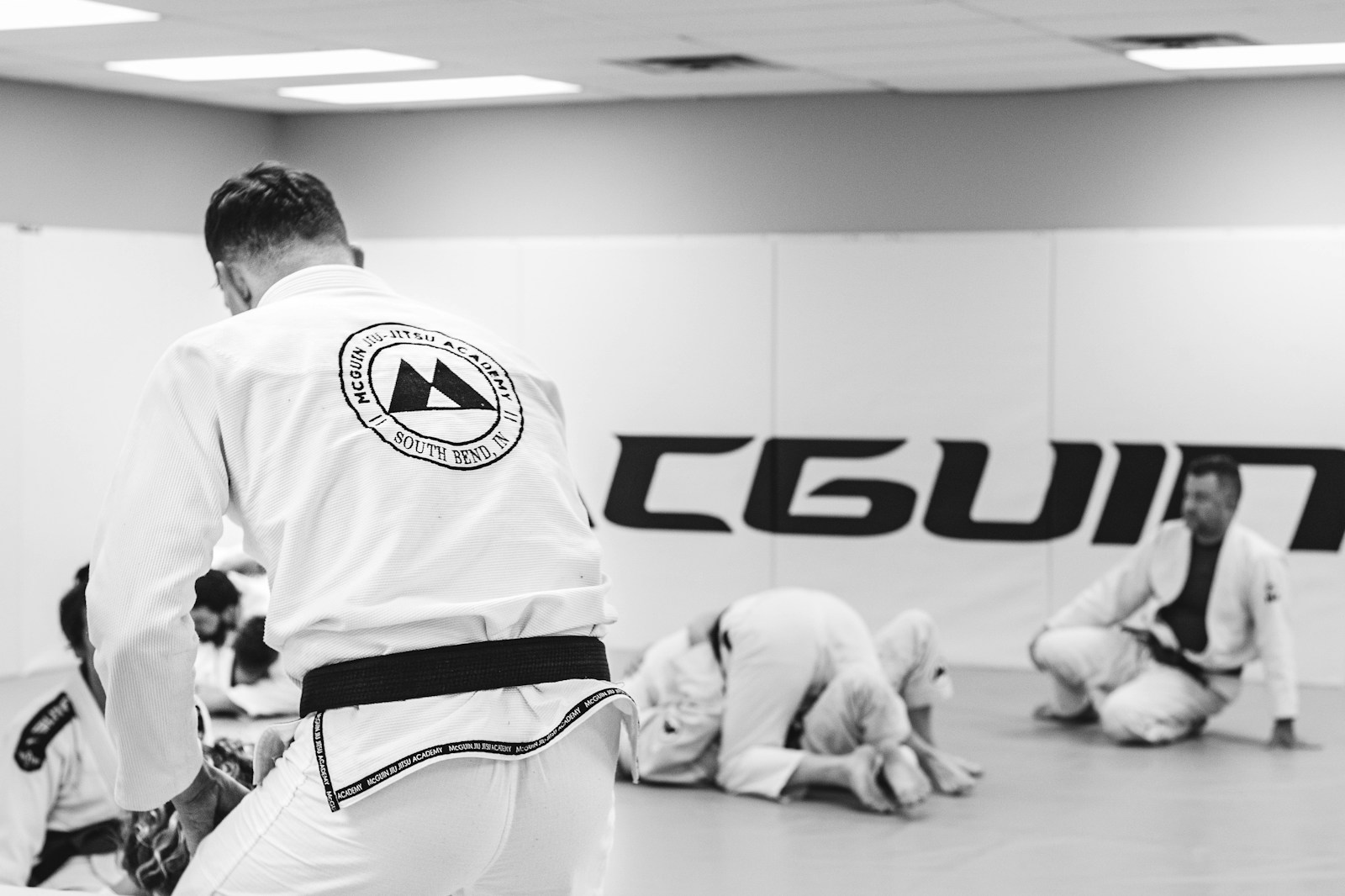
Strength and Conditioning for BJJ Success
Brazilian Jiu-Jitsu (BJJ) is a physically intense sport that requires a combination of strength, endurance, flexibility, and mental focus. While technique is key, fitness plays a huge role in performance and injury prevention.
By training at a jiu jitsu academy, practitioners can refine their techniques, but off-the-mat conditioning is just as important for long-term success.
For additional strength-building insights, check out Elite CrossFit Training Melbourne.
Why Fitness is Crucial for BJJ Performance
BJJ involves constant movement, explosive power, and sustained endurance. To compete effectively, practitioners need:
- Strength to execute takedowns and submissions.
- Endurance to last through intense rolling sessions.
- Flexibility for guard work and submission escapes.
- Grip strength to maintain control over opponents.
A balanced fitness routine enhances these physical attributes, leading to improved performance and reduced injury risk.
Essential Fitness Components for BJJ Success
1. Strength Training for Grappling Power
Building strength improves control and technique execution. Effective exercises include:
- Deadlifts – Strengthens the posterior chain for powerful movements.
- Pull-ups – Enhances upper-body strength for clinches and grips.
- Squats & Lunges – Improves lower body stability and base strength.
- Kettlebell Swings – Develops explosive power for takedowns.
Strength training helps increase power without sacrificing mobility.
2. Cardiovascular Conditioning for Endurance
BJJ rounds are physically demanding, requiring stamina to perform consistently. Best cardio workouts include:
- HIIT (High-Intensity Interval Training) – Simulates the explosive energy demands of BJJ.
- Jump Rope Training – Improves footwork and agility.
- Swimming – Builds endurance while reducing joint impact.
A strong cardio foundation prevents fatigue and improves recovery.
For endurance-building workouts, check out Melbourne CrossFit Guide.
3. Flexibility & Mobility for Injury Prevention
Flexibility helps prevent injuries and improves overall movement in BJJ. Top flexibility exercises include:
- Yoga & Dynamic Stretching – Enhances hip mobility and joint flexibility.
- Foam Rolling – Reduces muscle tightness and promotes recovery.
- Controlled Leg Swings – Improves range of motion for guard work.
A flexible body moves more efficiently and reduces the risk of strains.
4. Core Strength for Balance & Stability
A strong core improves balance, explosiveness, and positional control. Essential core exercises include:
- Planks & Side Planks – Builds core endurance for extended grappling.
- Hanging Leg Raises – Strengthens hip flexors and abdominals.
- Russian Twists – Enhances rotational strength for sweeps and submissions.
A well-trained core stabilises movements and prevents injuries.
5. Grip Strength for Better Control
BJJ relies heavily on grip endurance for maintaining dominant positions and executing chokes. Top grip exercises include:
- Towel Pull-ups – Enhances hand and forearm strength.
- Farmer’s Walk – Builds grip endurance for extended rolling.
- Wrist Curls & Grip Trainers – Strengthens fingers and wrists.
Strong grips allow better control over opponents and more effective submissions.
How to Structure a BJJ Fitness Routine
A balanced fitness routine should include:
- Strength training (2-3 times per week).
- Cardio workouts (3-4 times per week).
- Flexibility & mobility drills (daily).
- Core & grip strengthening (at least twice per week).
Pairing fitness training with consistent sparring and drilling ensures optimal BJJ performance.
FAQs About BJJ Fitness Training
1. How often should I do strength training for BJJ?
Strength training 2-3 times per week is ideal for maintaining power without overtraining.
2. What cardio is best for BJJ?
High-intensity workouts like HIIT, swimming, and jump rope training improve endurance for rolling.
3. How does flexibility help in BJJ?
Flexibility prevents injuries and improves guard retention and submission escapes.
4. How do I improve grip strength for BJJ?
Incorporate towel pull-ups, farmer’s carries, and grip trainers into your workouts.
5. Does weight training make you slower in BJJ?
No—functional strength training enhances power without reducing agility.
Conclusion
Combining BJJ training with strength, endurance, and flexibility exercises enhances overall performance. A structured fitness program improves grappling efficiency, injury prevention, and stamina for long-term success.
To explore more training strategies, check out Melbourne CrossFit Guide.